

Struggling Through the Holidays
By Maria Sillanmäki
For many, celebrating the holidays means good food, joy, and finally having time to relax. But when you're chronically ill, that can be challenging and, for some, even fully impossible. I think it's important for our able-bodied loved ones to understand the struggles we face just to participate, so they can appreciate our efforts and better support us this time of year.
After getting sick with ME/CFS, I had to learn how to navigate life with a chronic illness. This proved especially difficult during the holidays, when there seems to be so much to do, so many places to go, and so many people to see. It's been 2 years since I got sick, and in August, my health declined even more. That's why this year, it is more important than ever to carefully plan activities so I can participate and enjoy the holidays in my own way without worsening my condition.
The two biggest things that help me around the holidays are having enough time to rest before and between activities and getting help from others. For preparations, like buying and making gifts, wrapping them, or making something for the Christmas meal, I need help. My symptoms get worse after exertion, which means I can't do everything in one go and, in many cases, I may not have time to pace and spread these activities out, so my personal assistant is there to help me. Spreading these tasks out and asking for help when needed are some of the methods I use to hopefully prevent myself from having PEM (post-exertional malaise - the worsening of symptoms after exertion) right before Christmas, so I can participate in the holiday activities, even if only for a short time. For me, the most likely scenario is me having PEM at some point, but I hope it isn't until I've got to spend a little bit of time with others.
Now, how does everything go when it's Christmas Eve? Well, at Christmas, I have 3 places to visit in 3 days. 2 of the 3 places are quite close to my home, so the distance doesn't feel that bad. But one of the destinations is a bit further, and I have to sit through the whole journey. Unfortunately, sitting upright for that long causes me quite a lot of pain and dizziness. Of course, it's hard to avoid this, but what can I do? I do my best to ease the symptoms by finding a comfortable and more horizontal position (as much as I can anyway) after we've arrived. If I can, I lie down on the couch or make a soft spot on the floor so I can get at least a bit of rest as we converse and celebrate, saving my energy for other activities such as dining.
Eating, though, is one of the hardest parts of the holidays, both mentally and physically. I love food, and I'd love to actually enjoy the Christmas meal with others. Sadly, my nausea and the fact that I end up easily vomiting are often a barrier for me to eat. There have been some occasions like this when I have been able to keep food down, but nowadays, the food I end up eating with others comes up later. This year's Christmas meal plan is to take backup food that I know I can more easily keep down. This makes it so I can enjoy a meal with others without causing more harm to my body. This is one of the many reasons why someone may not eat the same foods as others at Christmas or may not eat at all. I want to remind everyone that it's not okay to comment on what someone is or isn't eating. You never know what someone is going through. This applies to many things throughout the holidays; there are so many things people struggle with, especially if you have a chronic illness, from physical limitations to mental ones.
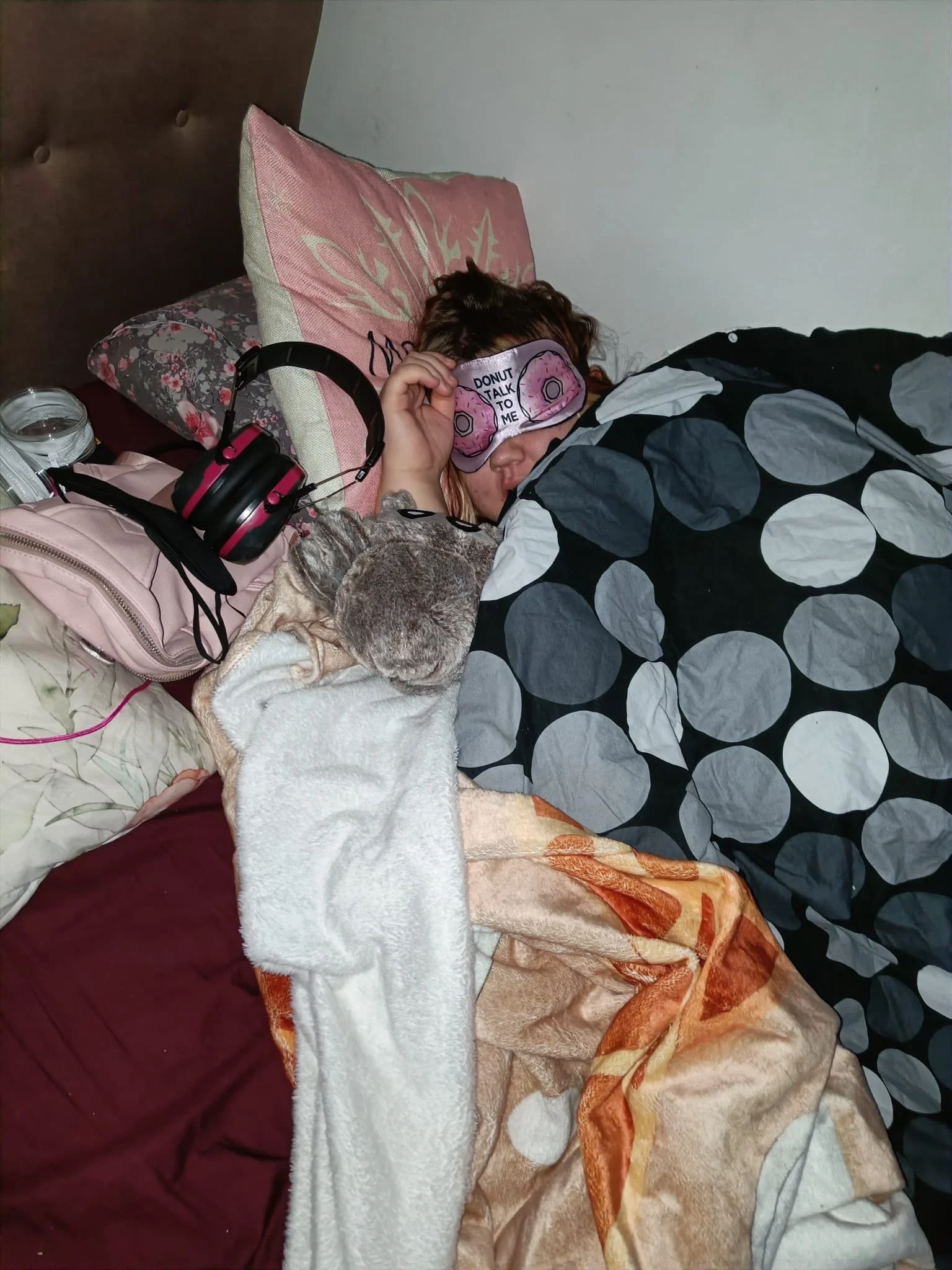
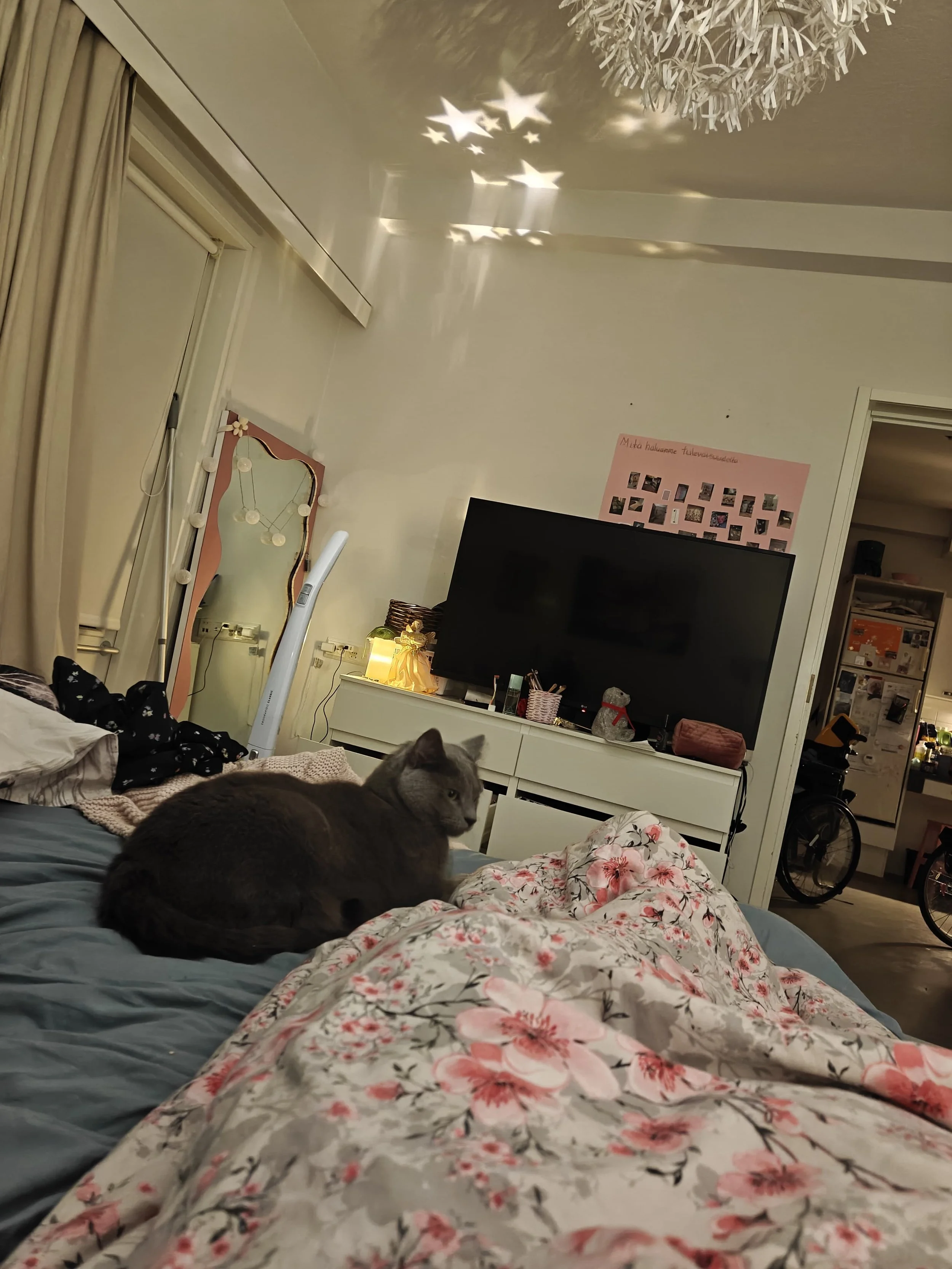
Now, on Christmas Eve, when the activities are finally wrapping up, what I really want is to take a breath and relax. But for me, that's when it all comes crashing down. My symptoms get worse, and the last thing on my mind is to relax. This means a lot of things all at once. I can see the lights, but they're too bright, and I can feel the pain all too much. The sounds I hear around are muffled into one. Fatigue and muscle weakness make it hard to move, and it feels like my body is held down by an invisible weight. It's cold, and I'm sure my temperature is rising. It's hard to think straight, and despite how hard I try to participate, my body is shutting down. My last bit of energy goes into forming a tiny smile for the kids who come to show me what they got from Santa. This is the reality I have after everything I have done to get to this point, to be with everyone on Christmas, all the planning, pacing, and rest. I'd love to be part of ot all, like everyone else. But I can't.
If there's one thing you should do this holiday season, it's listen to those close to you struggling with physical or mental limitations and make sure they're being heard. You may not know what someone is going through, because it's not always obvious.
And to those who are struggling: I want you to know that it's okay to take your time and rest as much as you need. Remember to allow yourself to feel all the emotions that come your way, whether you feel down, happy, or maybe both at the same time.

Maria Sillanpää,
ME-patient from Finland
Instagram: @smaria_helena