

An Artist All Along
By Fran Haddock
Severe ME challenges the idea of what it means to be alive and steals almost everything that is expected from human existence. Acquiring Severe ME is like a torturous experiment to see how many embers of a person’s spirit can persist after their soul is flooded repeatedly with ice. With no cure and no approved treatments, it’s nearly impossible to rise from the ashes. But occasionally, we’re able to create something with the cinders that remain.
As a kid, I was creative—coming up with unique recipes, playing music, or performing as fictional characters with my friends. I’d always wanted to write a book, and at age eleven, I embarked on creating a fantasy story surrounding the theme of the afterlife. As I grew older, dedicating myself to the arts felt just out of reach. After GCSEs (1), I found myself at a crossroads. I could throw myself into science, a reliable pathway with predictable outcomes, or give the less dependable artistic streak a chance. I chose the former, dedicating nearly ten years of my life and swathes of energy to becoming a veterinary surgeon.
(1) General Certificate of Secondary Education - a system of public exams taken in various subjects in most of the United Kingdom.
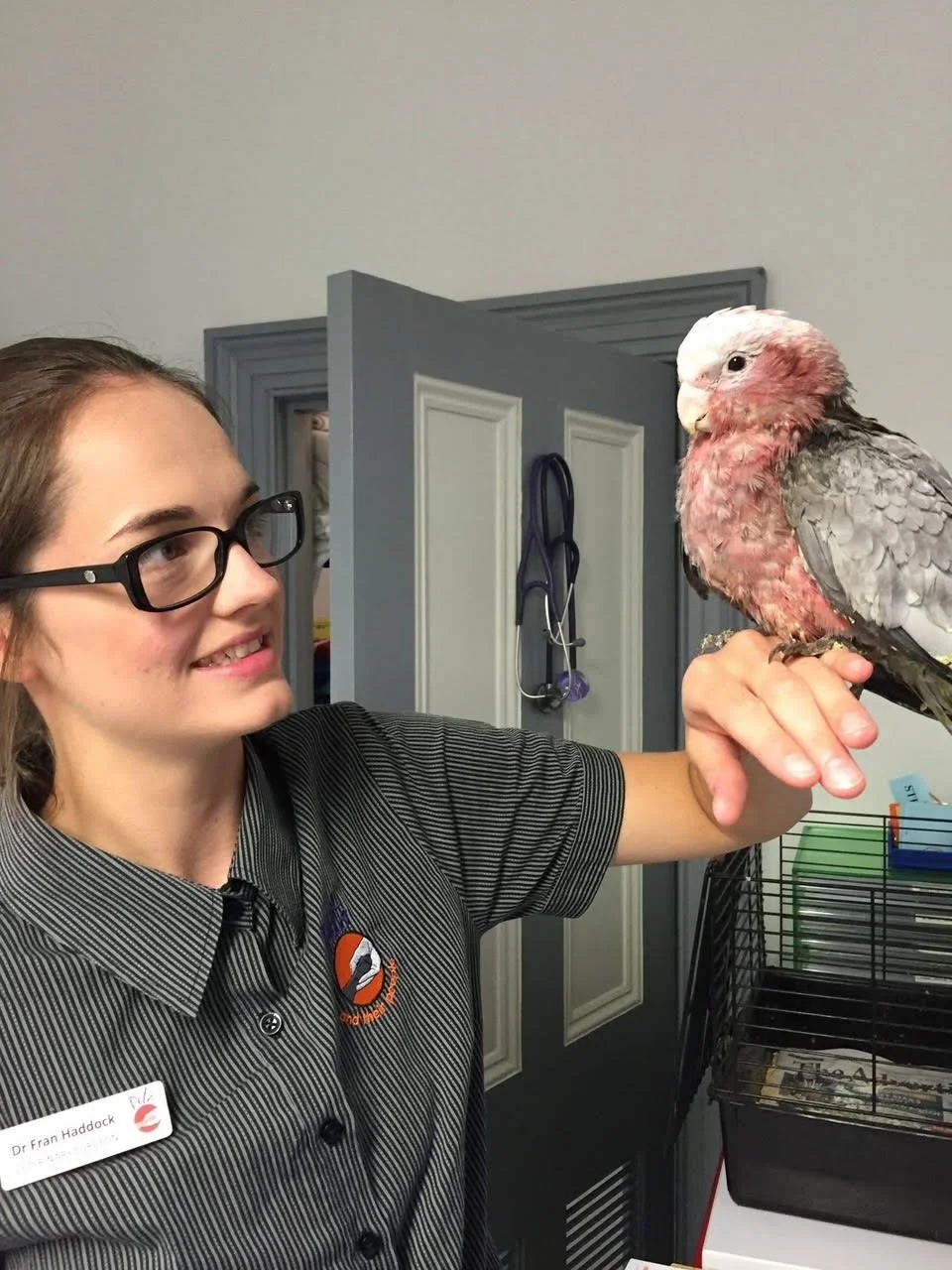
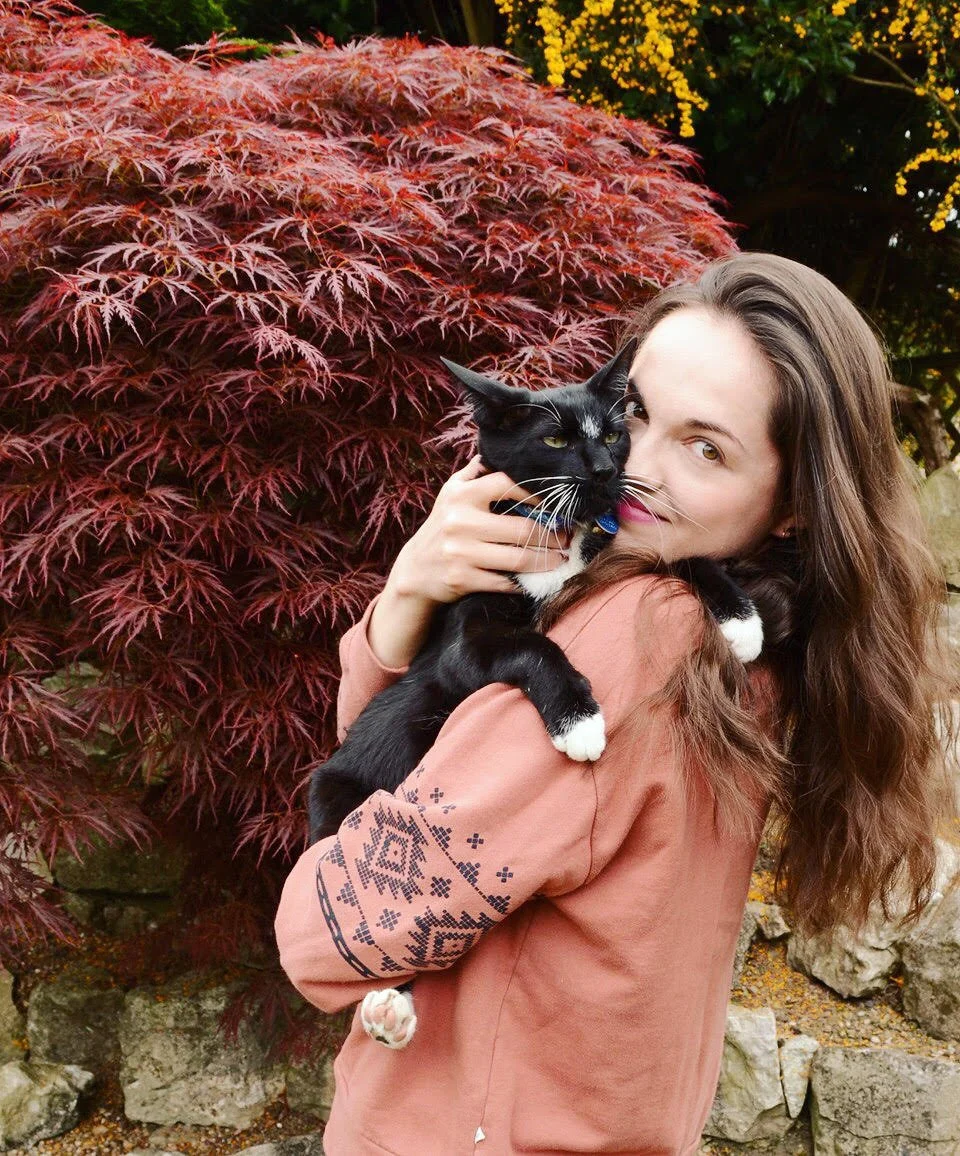
When my ME plummeted to severe after a Covid infection, I found myself at a similar crossroads. I could delve into medical research, attempt to stay up to date with the latest studies on my condition, and make an effort not to forget the science I’d spent years solidifying in my brain, or I could create and find innovative ways to experience joy in a life no bigger than the four walls of my room. Of course, it didn’t have to be strictly either or, but for me, there was only one option that could be leant on for survival, and it was creation.
One of the hardest things about having Severe ME, and especially Very Severe ME, is the compulsory torture of low-stimulation ‘rest.’ We tend to refer to it as ‘rest’ for simplicity, but there’s nothing restful about it. Lying like a corpse doesn’t exactly help, but for many, it is the only way to prevent deterioration. One of the most challenging issues with low-stimulation rest, other than how unwell our bodies feel as we become statues, is finding inventive techniques to keep our minds occupied, whether that be for minutes or hours. Onlookers may see a human lying flat, eyes closed, sound and light blocked out. But what they may not consider is the conscious, living, and breathing brain inside, and how that mind is getting through every minute, locked in the prison of their body.
At my worst, my mind was my only escape, and as I lay suffering in the dark for hours each day, I discovered creative ways to explore every corner of my fogged, burning brain. I found myself delving into fictional worlds through audiobooks, obsessing over characters, and learning to lucid dream, so I had a new way of escaping. I dreamed up recipes of all the cakes I would bake if I could, delved into special interests, and imagined trips to forest-lined lakes with my equally sick friends. I would pick a subject, such as the layout of the Edwardian house I grew up in, the climbing route up the giant pine tree in my childhood garden, or experiences with an old friend from the 90’s, and try to rediscover every memory that still existed. Once I’d explored all the memories I could still conjure, my mind shifted to creating characters and writing new stories that didn’t yet exist. All whilst my body cramped, throbbed, spun, and dragged.
Beyond our scramble to sustain our mental health and find reasons to persevere through a life that usually consists of continuous suffering, people with ME have to be creative in ways no one should ever have to be. Our community has to find methods to survive in an ableist world that abandons the sickest to rot, to relentlessly try new approaches to raise awareness about our criminally neglected disease from bed, and to generate inventive ways to support community members we’ve never met through mutual aid campaigns, as institutions fail to provide what is needed for survival. People with Severe ME don’t even have the chance to try to exist as disabled people in the outside world. Many are trapped with vastly inadequate care, barely able to roll over in bed, or use a bedside commode, never mind a wheelchair. In this isolation, creativity is a necessity.
For years, I have witnessed people with Severe ME find the most innovative ways to endure a disease that is inherently anti-life—to form community, to share their stories, and to create art in all its forms. Severe ME challenges the concept of worth, which is so often attached to productivity and health status. It’s likely one of the reasons ME has been so neglected. In the capitalist system we live under, people are unable to comprehend how small a life this illness forces us to live. A life where experting and competing in that system is not a viable option. For those of us who have the privilege of having a fraction of energy remaining for things outside of surviving, we are forced to ask ourselves, if you can only function with less than 1% of a life, what do you want to do with that limited energy? Many of us have learnt that a life focusing on individualism and productivity is simply not compatible with the percentage of life we have remaining. People with Severe ME are creative, not because we are inspirational or remarkable, but rather because of our innate longing to survive and exist as more than an empty shell, or a shadow of our past selves.
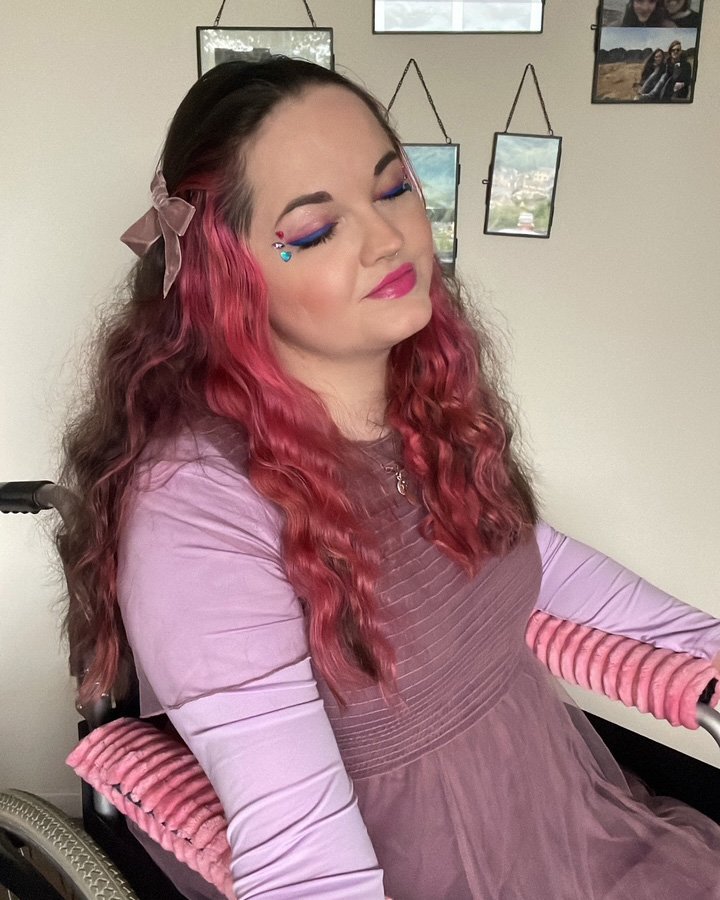
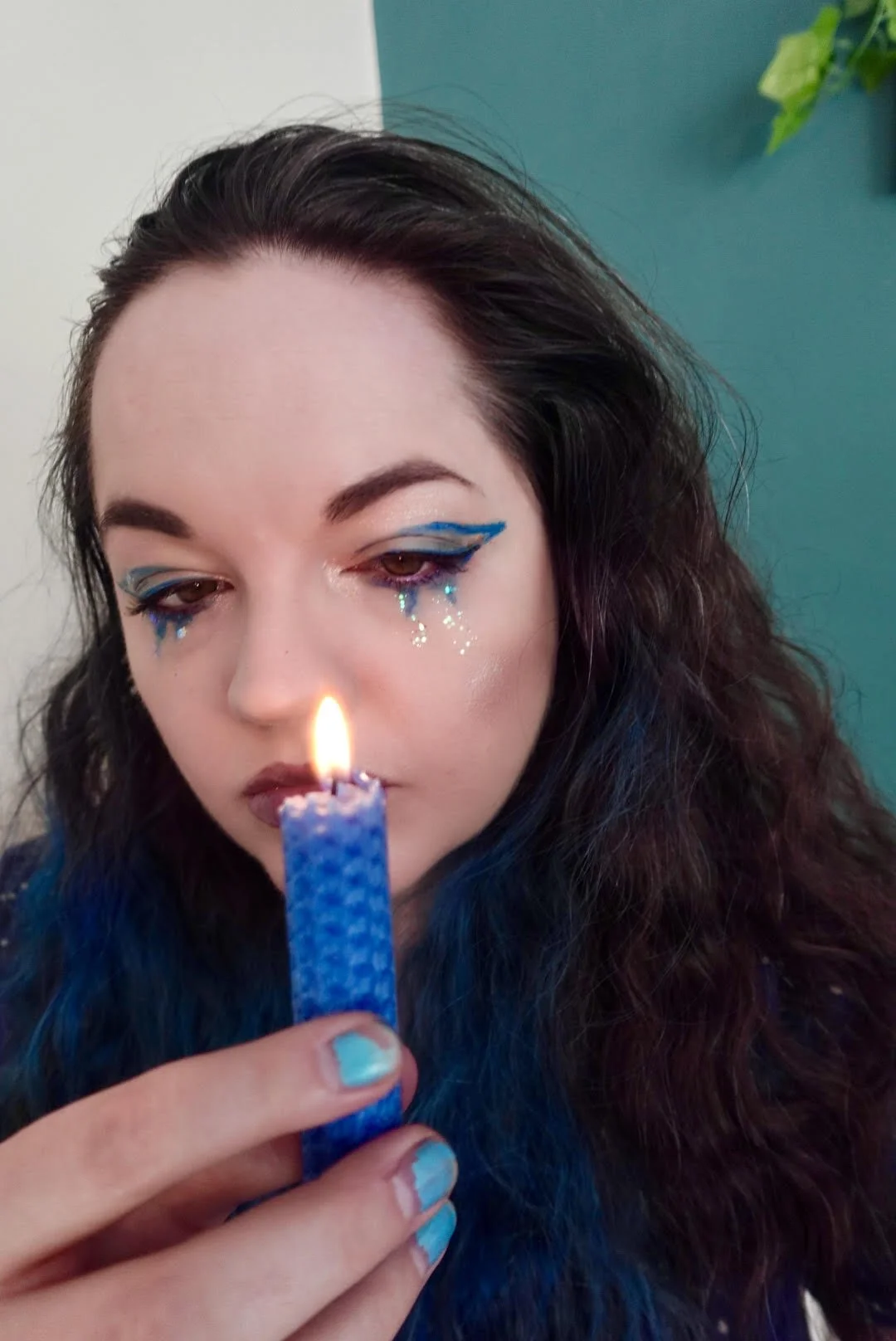
The Severe ME community is jam-packed with artists, some of the most talented humans I’ve come across, who are limited to creating only a fraction of what they wish to. And up until recently, I never felt that I was able to call myself an artist. I don’t paint, create music, or dance. I can’t sculpt or act, and I don’t understand the rules of poetry. But I do write. It may not have come as naturally to me as grasping the intricate mechanisms of feline medicine. But learning the art of writing, and seeing my progress as I practice each day, has been a joy beyond nearly any other. I utilise my creativity to create videos, take photos, and curate playlists that evoke memories of seasons passed. I express myself through clothes and makeup and find tiny ways to enrich my minuscule life. Is that enough to finally feel comfortable using the word artist?
Would I have embarked on writing a novel if it weren’t for ME? Would I have discovered more about my identity and self-expression? ME brought back my creativity, but there are no silver linings to having Severe ME. No silver linings that make up for being locked in one room, suffering every second of every minute, being torn from family and friends, and having your future stolen. Severe ME tests the limits of the human spirit, and occasionally something beautiful comes from that. It shouldn’t take a life-shattering disease to find creativity and art. But maybe the anti-capitalist nature of Severe ME can teach us something about leading slower lives, building community, the power of creation, and show us that maybe we were all artists all along.
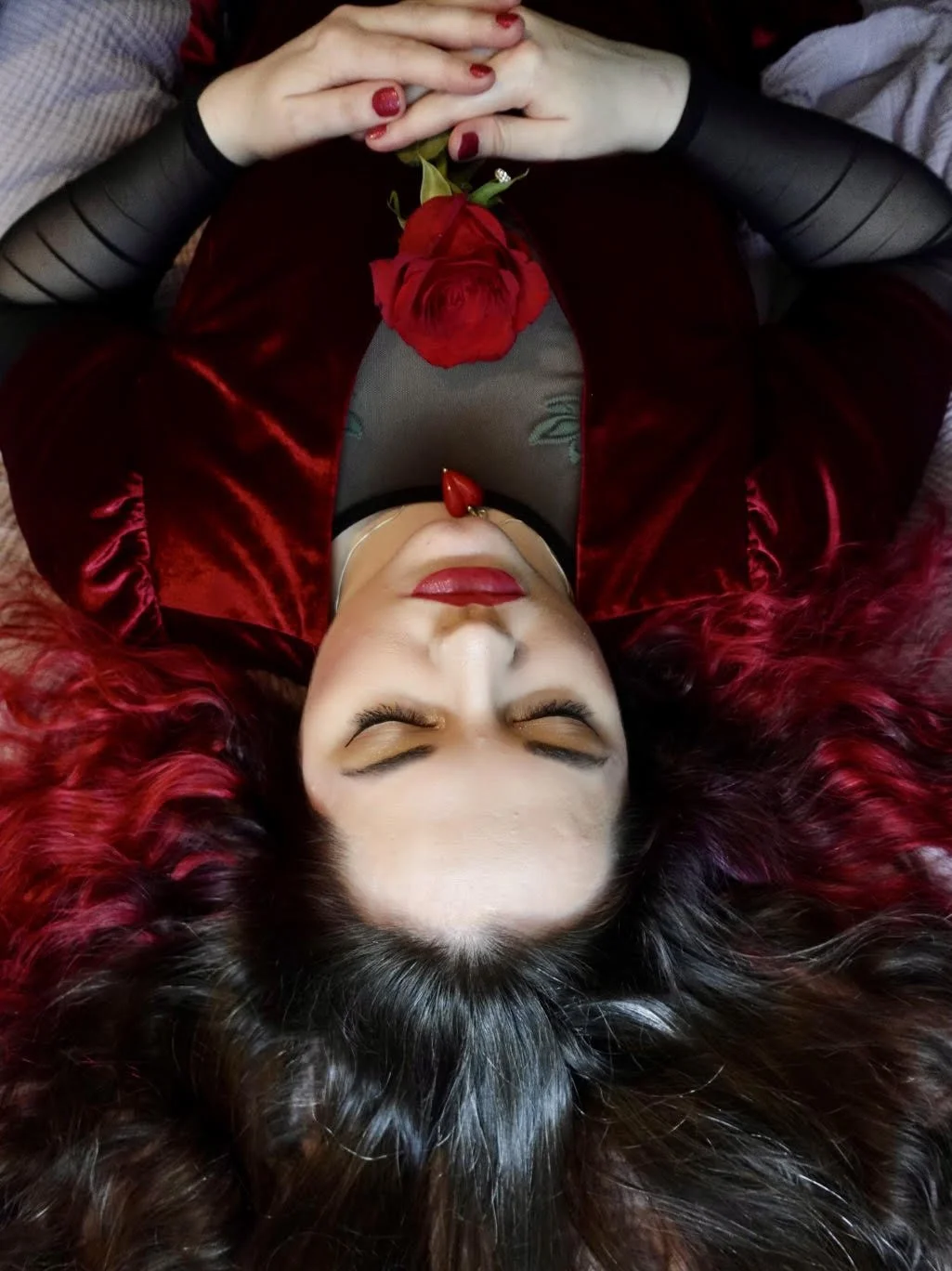
About the author:
Fran Haddock is an online disability advocate and writer from Sheffield, UK, living with severe ME.
Instagram: @franhaddock_
TikTok: @franhaddock_
Edited and illustrated by Lily Lime
