

On the Edges of Knowing
On a quest to better understand the grief of my chronic illness, I made a photography project about it.
By Will O’Hea
Beginnings
It’s a cold February morning as the car rattles toward Jack’s parents’ house: a bungalow perched on the edge of rural Cornwall, in Ludgvan, a tiny village situated high above Mount’s Bay. We’re both a little anxious, but for different reasons.
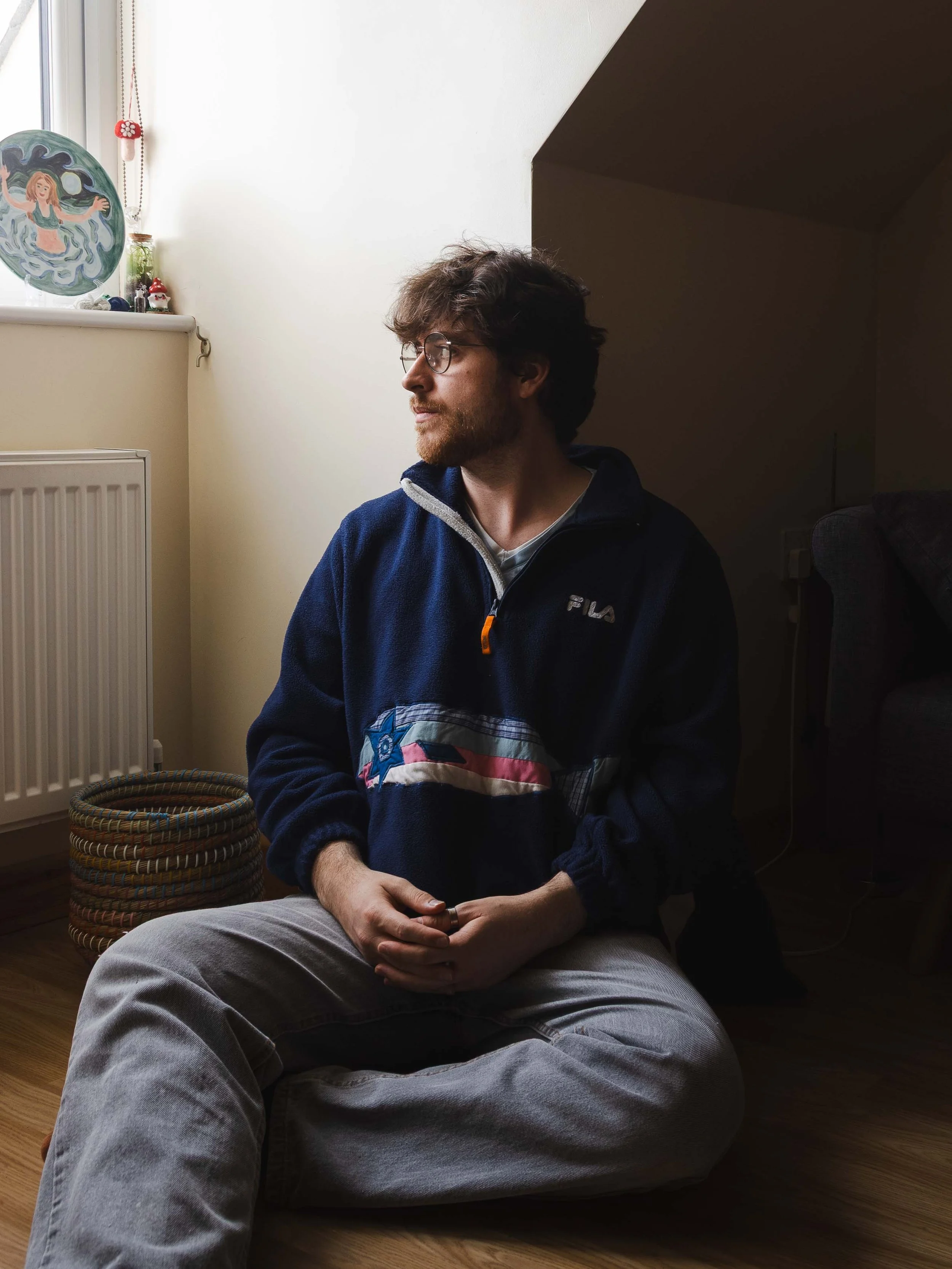
As the photographer for today’s shoot, I’m keen to do a good job as I mentally rehearse my plan for the day, whilst preserving the precious little energy I have without exhausting myself. For Jack, however, today will be challenging for a different reason: we’re taking photos in the place where Jack was housebound for several years, their life upturned by a devastating chronic illness, an illness we both share, myalgic encephalomyelitis, aka ME.
The Making of a Project
This was the first of several shoots I made for ALL IS NOT WELL, a photographic project that weaves together conceptual, abstract, and documentary photography to tell the stories of individuals grappling with the effects of ME, which, until post-pandemic times, has been criminally neglected by modern medicine and is still poorly understood by most.
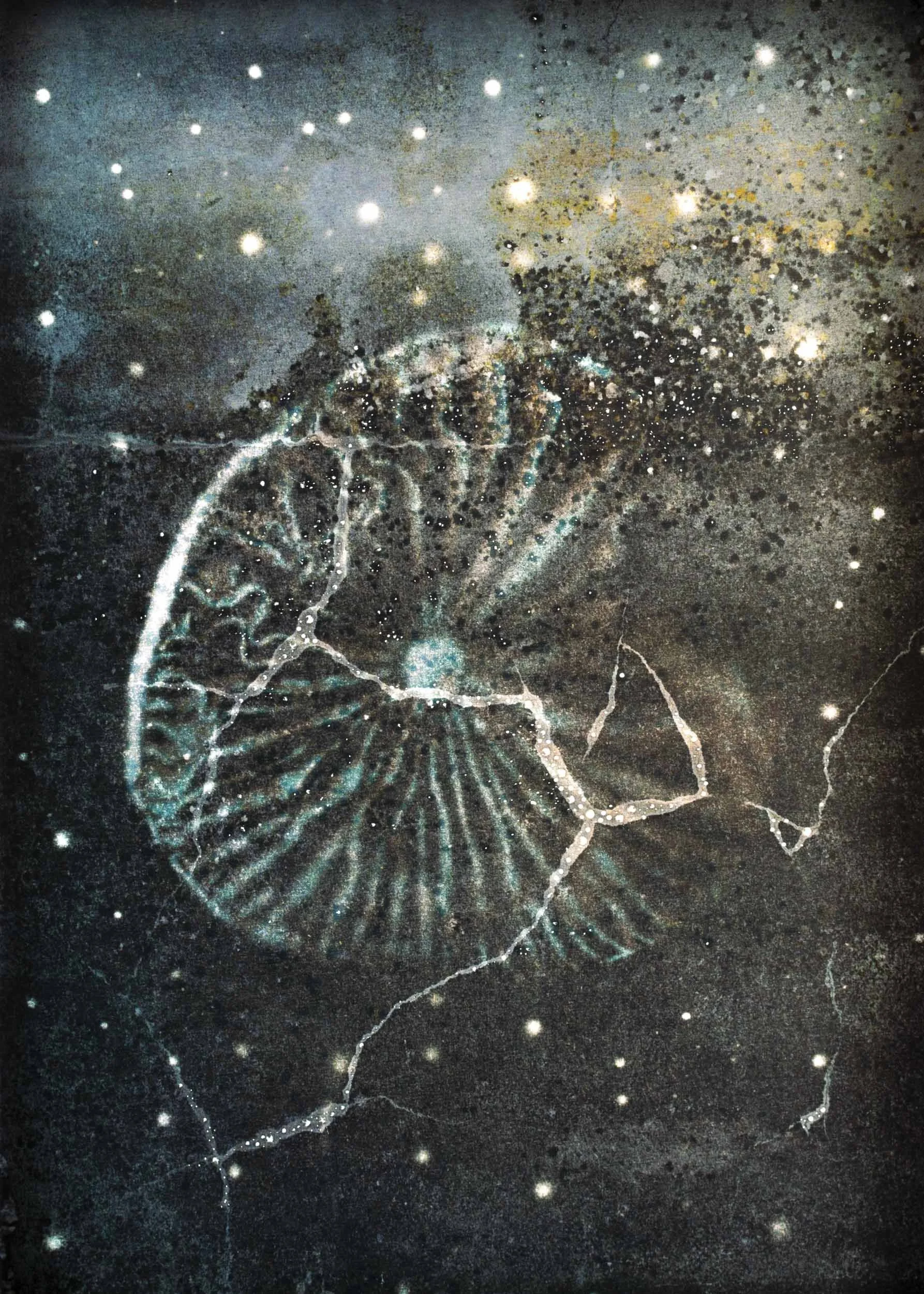
Portrayed through the physical and emotional spaces they inhabit on their journey through illness, I used mould – which I consider a critical factor in my own ME diagnosis – to represent the condition, and in particular to explore how the insidious presence of black mould poses a serious health risk to the public in the UK’s most rain-soaked regions.
Why ME?
I was diagnosed with ME in 2023 following exposure to toxic black mould and the cumulative effects of several COVID infections, stress, and burnout. Whilst I was never unfortunate enough to enter the severe category of the illness, my life is still substantially affected by the condition. I can’t work full time or exercise beyond limited gentle walking and qi-gong. Whereas a healthy person in their mid-20s might go to the gym, walk to work, spend eight hours at a desk, return home, cook, and socialise all in one day, my cognitive and physical capacity is much, much lower, meaning I can only limit myself to maybe one or two low-energy activities in a day, pacing. If I push myself too hard one day - for example, going for a particularly long and strenuous walk - I will reap the reward (punishment) over the following two to three days and experience exacerbated symptoms of fatigue, pain, insomnia and exhaustion, an experience called post-exertional malaise. Although I’m optimistic that some degree of recovery is possible, full recovery to normal health is unusual, at least according to mainstream medical advice.
When Jack and I first met a year prior, they had told me how for several years they had been housebound by the disease, holed up at their parents' bungalow in the middle of rural Cornwall. Later, Jack explained to me that although their health had by this point improved enough for them to move into private rented accommodation, they could literally feel the symptoms creeping back into their body whenever they revisited their childhood family home. Curious to know more, I asked if we could pay a visit and take some photos.
Mould as Metaphor
That shoot became the first of several I did with a number of friends and acquaintances, who offered to be photographed for the project. I generally followed the same method with each collaborator: make contact, discuss the idea, plan the shoot day, do the shoot, rinse and repeat. I was taking relatively straightforward portraits of people in their living rooms. Yet at the same time, I wanted to find ways to incorporate metaphors and symbols of the illness experience within the conventionality of these portraits. Photographing sick people in bed would not cut it.
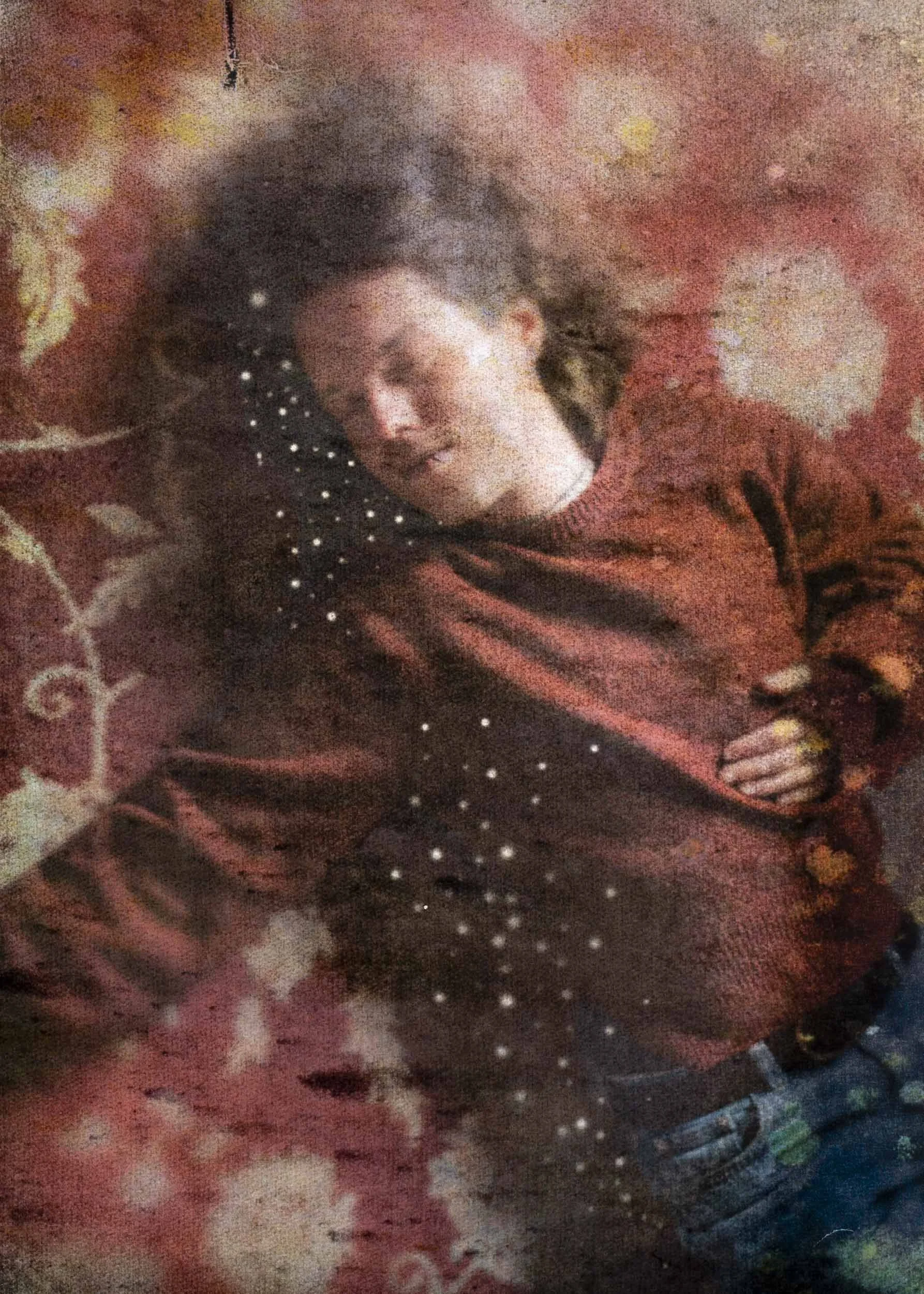
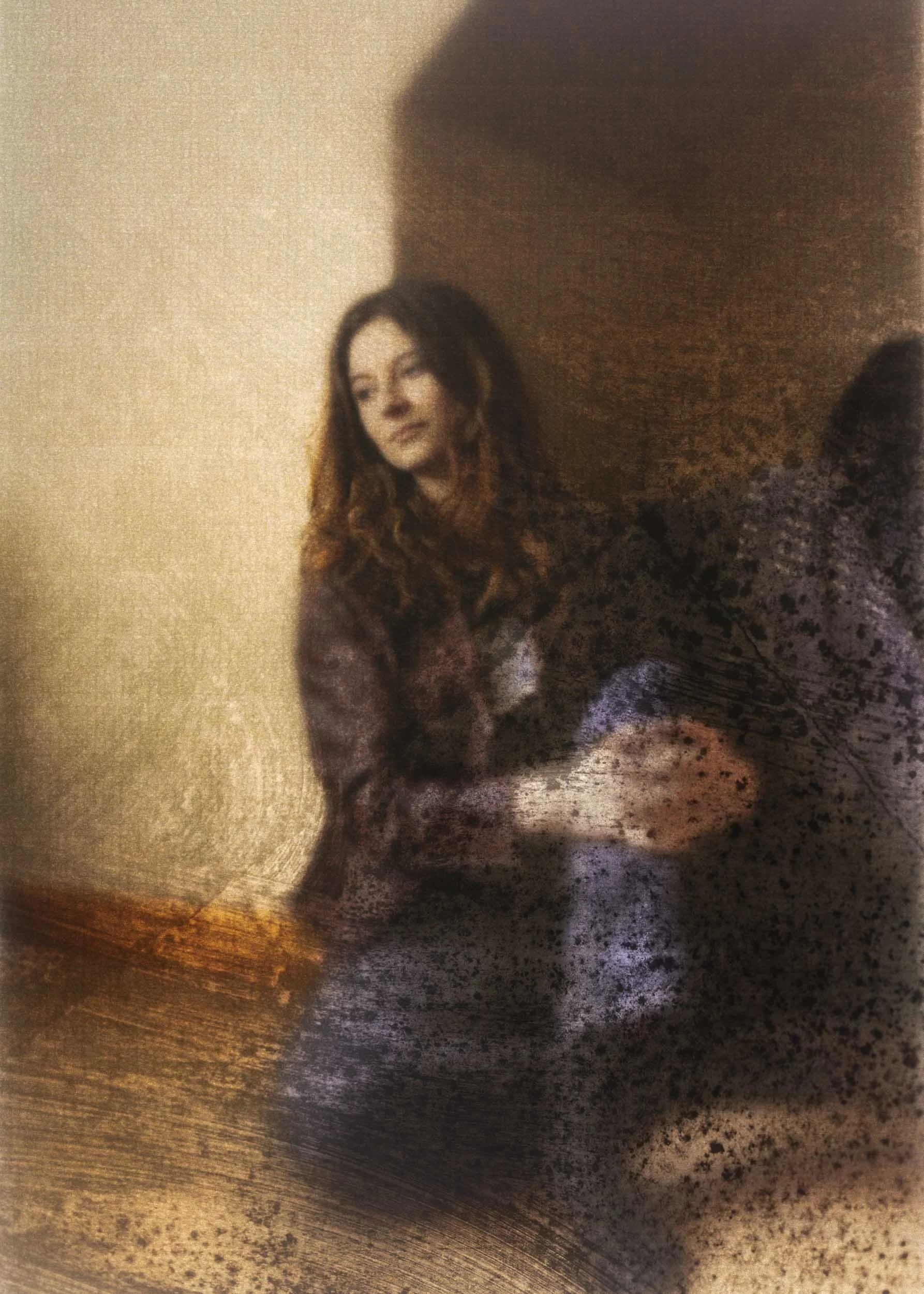
So, in addition to portraits, I combined hospital imagery and mould, distilling archive photos from my own childhood into double exposures with the texture of decayed surfaces. I photographed black mould in abstract close-up, and physically layered images of mould and decay onto other photographs of patients, using a lightbox and semi-translucent paper to create the double-exposure effect.
The Photographer’s Subconscious
I have a tendency to ‘over-plan’ my shoots so I have a clear idea of what I’m photographing before I arrive. It’s much less taxing on my energy to limit myself to a select few strong photo ideas than to shoot anything and everything I come across.
But such a rigid approach has limits, and surprisingly some of my favourite images revealed themselves through subconscious, spur-of-the-moment decisions, rather than preconceived ones. Presence over planning. Certain compositions would draw me in before I fully understood why I was taking them, because on some subconscious level they connected with the themes of the illness that by now I was so familiar with in my mind.
For example, driving past Redruth on my way to a shoot with one of my collaborators, I noticed a blanket of fog obscuring rows of houses below a public park. Something clicked in my subconscious. Fog. Council estates. Mould. Damp. It was a weather phenomenon that would likely not repeat itself for weeks, maybe months.
Already late, I slammed on the brakes and rushed out of the car with camera in hand, taking maybe a dozen images within the space of about two minutes. The empty grass field was bare of detail; a kind of suburban purgatory. At the edge of the fog, I could just make out the roofs of pebbledash houses beyond the field margins. A scraggly hawthorn bush, standing alone at one end of the field, became the first photo in my book. A symbol of grief in a sea of fog; the kind of subtle poetry I could never have preconceived.
Final Thoughts
The final work is an amalgamation of sorts. Whilst the photos maintain no singular visual ‘style’, the unifying themes of mould and illness stay consistent throughout, combining the metaphorical with the literal.
If I were to start the project over, I would probably focus on just one individual with ME sooner than an array of patients with varying degrees of participation. Or I would remove people entirely and double down on abstraction and mould as metaphors. Specificity sells, after all. But ultimately I’m glad I experimented as much as I did; my mind has a tendency toward the kitchen-sink approach.
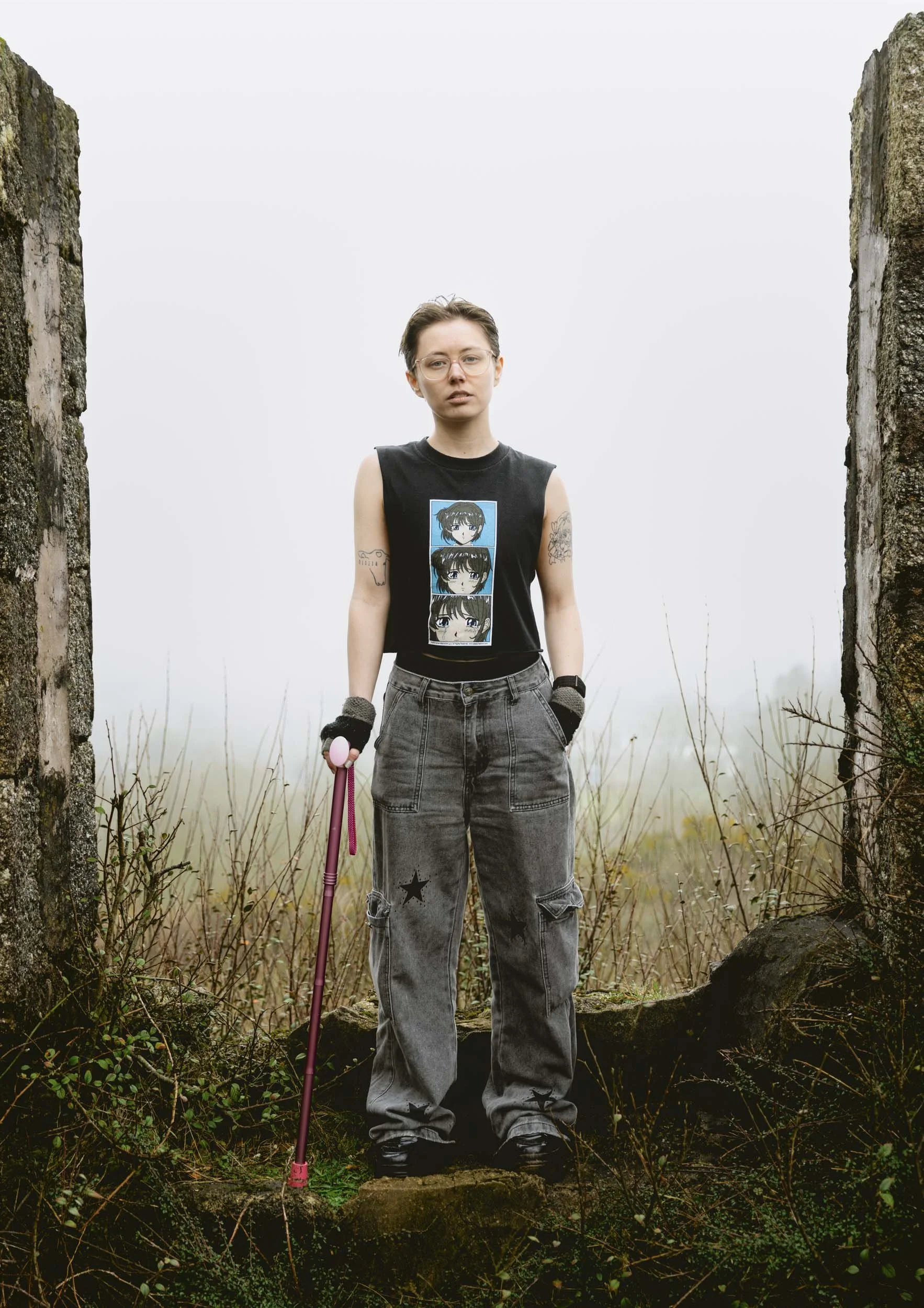
ALL IS NOT WELL challenged me to practice within the realms of social documentary, people and portraiture, which were unfamiliar territory to me as a photographer. I’m a relative novice when it comes to photographing people, and this was the first time I felt even close to comfortable photographing people in a serious tone, let alone strangers in their own living rooms.
I’m also aware of the ethical implications of representing vulnerable groups, and have maintained regular contact with all my collaborators, keeping them as informed and involved as possible with each step of the process. They’ve helped me think up photo ideas, cull photos for the final edit, and even contribute poetry to be presented alongside the work. I’m so grateful to you all for giving up precious energy to help me make this!
Those with chronic illness have a hard time advocating for themselves. But hopefully projects like this provide an opportunity for empowerment and self-expression, alongside raising awareness within the general public. In a world where only self-sufficiency is considered the norm, and disability and reliance on others are pathologised by the ableist rhetoric that pervades our culture, we need to recognise more than ever that helping those in need helps everyone.
About the Author
Will O'Hea is a photographer and artist based in the UK, living with mild ME/CFS. His work blends documentary photography with alternative processes and abstraction.
Instagram: @the_foraging_photographer
Illustration by Greta Granö
Editing and Formatting by Lily Lime
